Major EU new regulations will coincide with this key shopping season in July!

Since 2022, the volume of small parcels entering the EU has skyrocketed, doubling year on year. In 2024 alone, 4.6 billion low-value small parcels were shipped into the EU, 91% of which originated from China – a figure marking an outstanding boom for China’s cross-border e-commerce industry.
Nevertheless, a pivotal regulatory shift is imminent. EU member states have reached an agreement to introduce provisional tariff measures: from July 1, 2026 to July 1, 2028, small parcels shipped directly to EU consumers worth under €150 will incur a fixed provisional tariff of €3 per separate tariff commodity heading contained inside the package; the transitional period may be extended if necessary. For instance, a parcel containing one silk blouse and two woollen shirts falls under two distinct tariff subheadings and will therefore be levied a total €6 in duties.
The era of duty-free delivery to European doorsteps for cheap trinkets and dresses priced at a dozen euros is officially coming to an end.
Part 01 Risks and Opportunities for Chinese Cross-border Sellers
Phase-out of Low-unit-price Products
Per a June 2024 report by cross-border e-commerce analytics firm Marketplace Pulse, roughly 42% of goods sold by China-based direct-shipping sellers targeting the EU market are priced below €10, with another 22% under €5.
Following the new rules, duties will account for over 50% of the retail price for items under €5, eroding nearly all profit margins.
Collapsed pricing advantage: Goods previously priced at €9.9 with free shipping will see post-tax costs climb close to €12, narrowing the cost gap versus local European e-commerce merchants to less than 10%.
Market exit pressure: An estimated over 30% of low-price bulk-shipment sellers will be forced out of the EU market within the next 12 months.
Compliance-focused Sellers to Benefit from Industry Restructuring
EU authorities forecast only around 40% of China’s direct-delivery sellers will successfully complete IOSS registration and maintain compliant operations after full enforcement of the new rules.
The leftover 60% of vacant market share will be captured by compliant operators with established overseas warehouse networks or branded premium positioning.
Major marketplaces including Amazon, AliExpress and eBay will face eased competitive intensity alongside redistributed traffic; platform algorithms will prioritise listings marked as tax-prepaid or pre-cleared for customs. Listings with valid IOSS registration are projected to gain a 15%–20% boost in exposure weighting.
The new regulation effectively functions as supply-side market consolidation:
Merchants selling inferior low-quality goods will see tariffs exceed product value and exit the market naturally;
Premium product vendors retain customer willingness to pay tax-inclusive pricing and secure greater organic traffic.
In the long run, this regulatory overhaul is favourable to sellers aiming to build sustainable brands.
Part 02 Final Purchase Window: China’s 618 Mid-year Shopping Festival
China’s blockbuster 618 annual shopping promotion overlaps directly with the EU’s new tariff rules effective July 1.
For buyers based in Europe, the takeaway is clear: prices will rise starting July, so purchases should be arranged promptly.
Based on the new tariff calculation framework, the following product categories will suffer the steepest cost hikes post-July 1 and are recommended for proactive stockpiling:
High-priority categories (largest cost increase after July)
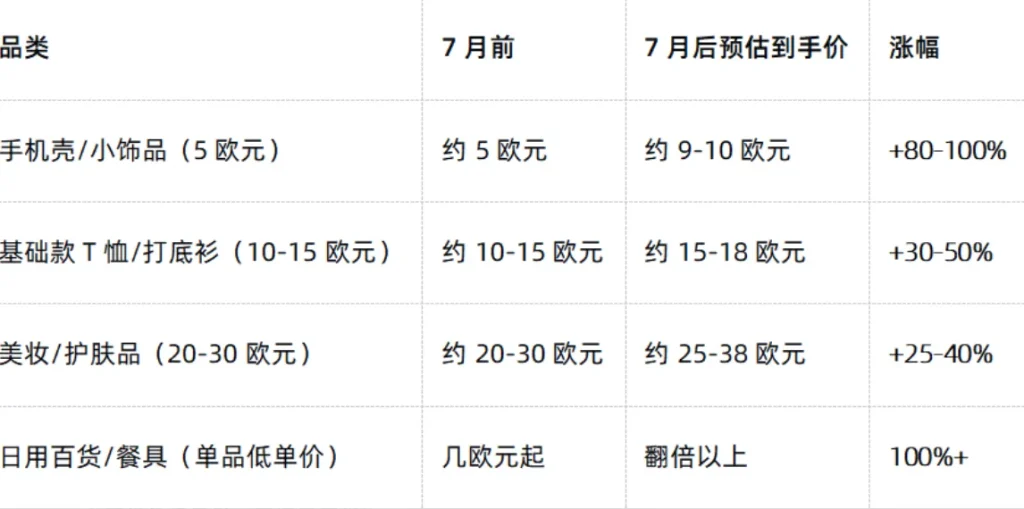
Medium-priority categories (moderate stock-up recommended)
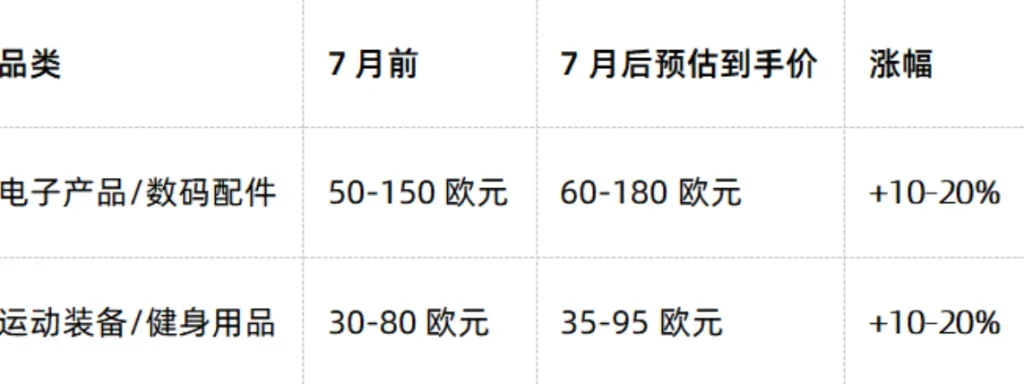
Low-priority categories (relatively limited cost impact)
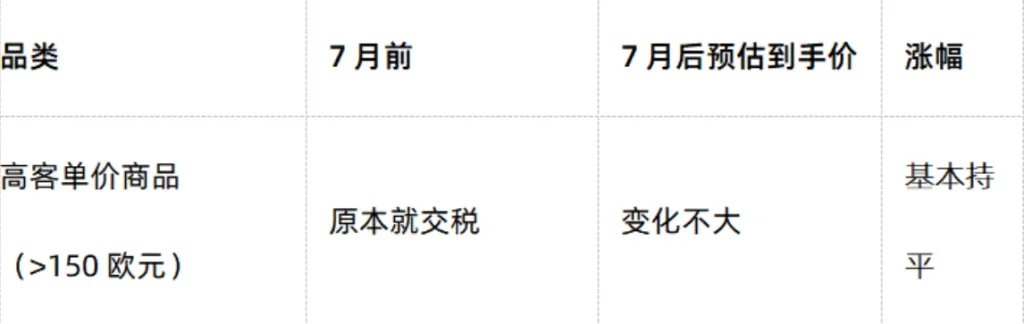
Disclaimer: Stocking advice above is for reference only; place orders rationally based on personal demand. Prioritising needed products amid promotional discounts delivers better savings than overstocking unnecessarily.
Secure Duty Exemptions with Timely Orders
If you intend to purchase goods valued below €150, the current period is the final golden ordering window. Complete payment and shipping confirmation before late June to lock in ongoing duty exemption terms.
Caution: Avoid unexpected tariffs on in-transit parcels; confirm full electronic pre-declaration completion with your logistics provider and steer clear of slow shipping channels prone to delayed customs filing.
Opt for Reliable Logistics Partners for Added Security
Select international dedicated shipping lines that support valid IOSS certification whenever possible.
This may mark the final duty-free cross-border shopping bonanza for overseas Chinese students and communities across Europe. Contact Meest China promptly for warehousing inbound EU-bound shipments!
For Chinese e-commerce merchants and third-party logistics providers, these regulatory updates necessitate restructuring outbound cost frameworks and revising standard operational workflows.
As global duty exemptions for low-value parcels are gradually phased out, mastering regulatory details, tightening internal compliance protocols, and implementing traceable logistics and pricing systems are core prerequisites to navigate shifting supervision and sustain long-term business growth.