Why Chinese Air Conditioners Are Taking Europe by Storm!
This summer, an unprecedented extreme heatwave swept across Europe. Air conditioners, a consumer product that once drew little attention, are rapidly turning into an essential necessity.
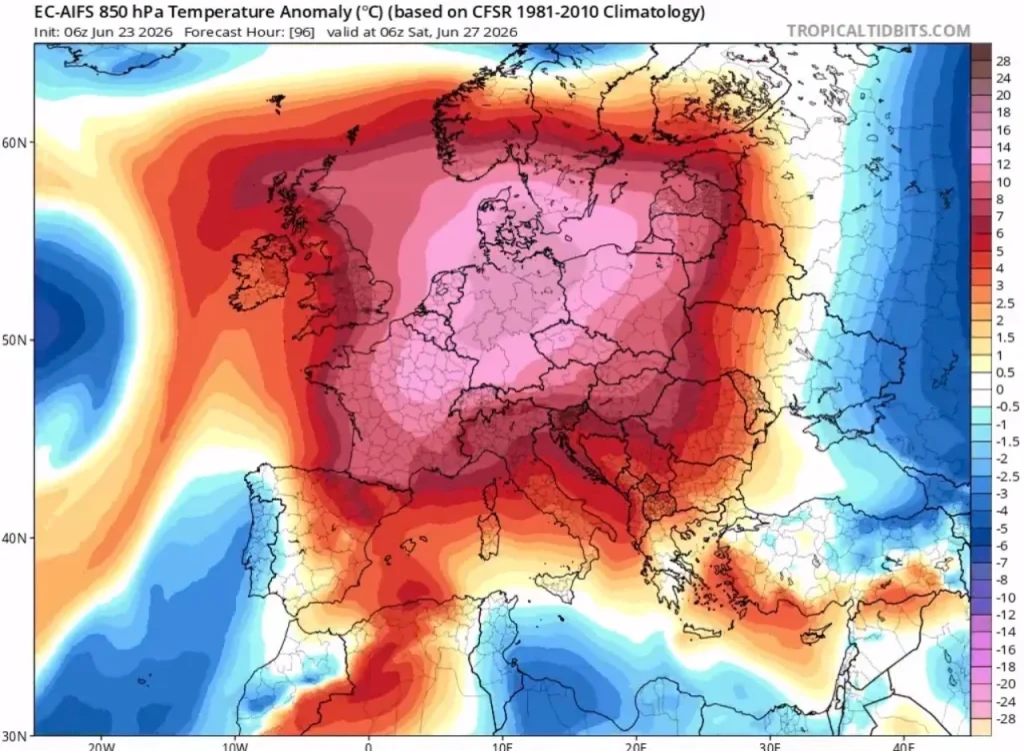
On one side are Europeans struggling to cope with sweltering heat; on the other, Chinese manufacturers are racing to meet rocketing demand and clear out inventories. This sudden heat surge has opened an unprecedented growth opportunity for Chinese cooling home appliances.
Why Don’t Europeans Install Air Conditioners?
It may surprise you: air conditioning is far less common in Europe than many assume.
It is not that Europeans can withstand high temperatures; installing an air conditioner is simply extremely difficult.
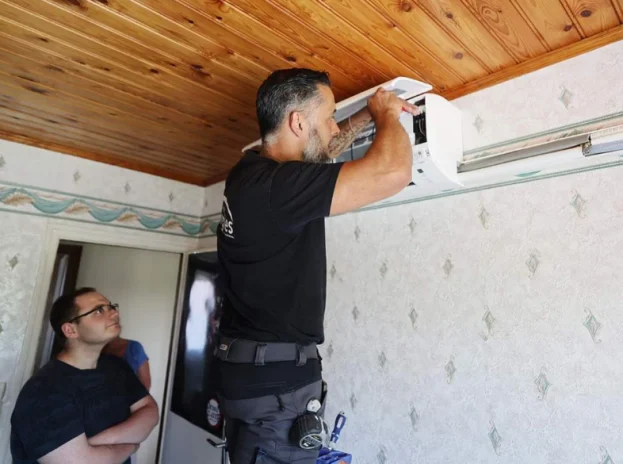
Image source: Internet
- Complicated approval procedures Numerous historic buildings in Europe are protected under heritage regulations, which ban random drilling on building facades and mounting outdoor condenser units. Installing split air conditioners in Spain requires approval from three-fifths of all property owners at the building assembly. Unauthorised air conditioner installation in Italy can incur fines of up to €100,000. Many households can afford the unit itself yet fail to pass administrative approval.
- High installation costs Older buildings lack pre-reserved piping for air conditioners. Drilling, routing pipelines and hiring certified technicians often push installation bills to thousands of euros. Installation fees for a single unit in Western Europe range from €1,500 to €2,000. Waiting times for installation appointments can stretch beyond two months in summer. Frequently, installation fees exceed the price of the air conditioner itself.
- Stringent regulations France mandates certified inspections for cooling systems using over 2 kilograms of refrigerant. Germany enforces a maximum nighttime noise limit of 35 decibels. Switzerland requires products to achieve at least A++ energy efficiency rating. Cumulative rules leave ordinary consumers overwhelmed when selecting cooling equipment.
Why Have Chinese Air Conditioners Become Sought-After Commodities?
As Europeans grapple with scorching temperatures, Chinese air conditioners have surged in popularity and become highly coveted goods.
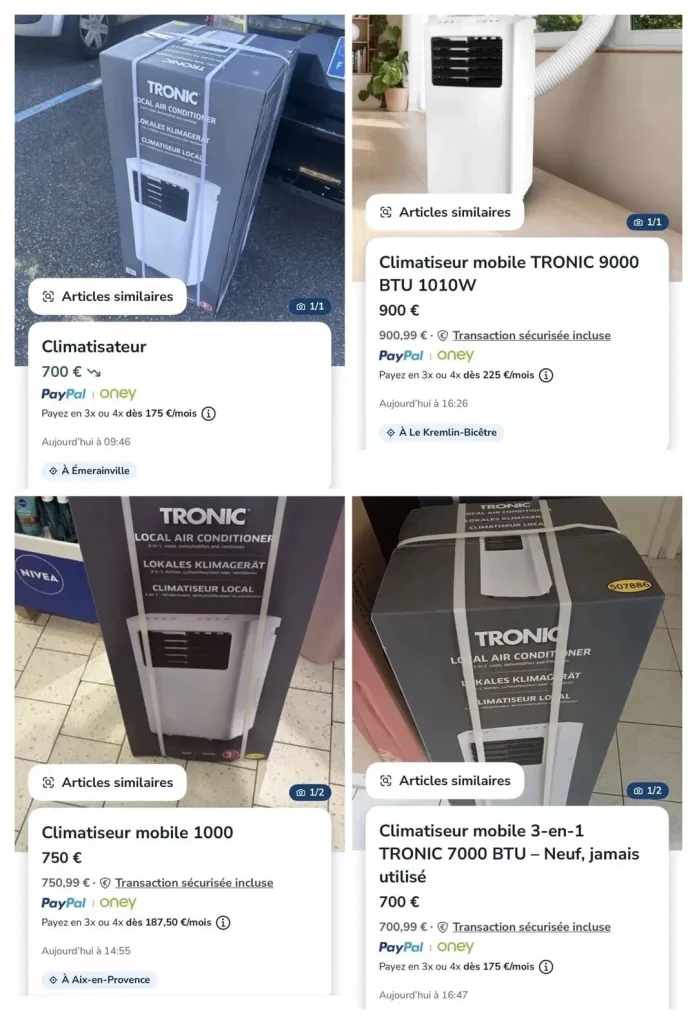
Second-hand listings on European platforms price units between €700 and €900
Data from the General Administration of Customs shows China’s air conditioner exports to the EU reached USD 3.76 billion in the first half of 2026, rising 43.2% year-on-year and hitting a record high for the period. Exports to France, the Netherlands and Belgium doubled year-on-year, while Spain, Germany and other markets registered double-digit growth. Portable air conditioners delivered standout performance: China’s portable air conditioner exports to Western Europe jumped over 70% year-on-year in the first five months of 2026.
The market frenzy speaks volumes. Midea’s portable PortaSplit air conditioner is sold out everywhere. Resale prices on second-hand platforms have shot up from the original €699–900 to €2,679, marking nearly a 200% premium. A dedicated website was launched in Germany to track real-time stock of this model across major retail chains, helping consumers secure units.
China’s household air conditioner exports to Western Europe rose 9.7% in the first five months, while portable air conditioner exports soared more than 70% year-on-year. On AliExpress, sales of cooling appliances in Germany surged 4.6 times year-on-year in June, and tripled in France. Exports of ice makers for Europe also grew over 70% year-on-year.
Domestic brands including Midea, Gree, Haier, Hisense, TCL and Changhong have all achieved robust sales growth across European markets.
Low Price Is Not the Secret — Spot-on Product Positioning
Are Chinese air conditioners popular merely because they are cheap? The European market already abounds with low-cost options, alongside premium Japanese and Korean brands.
What truly sets Chinese air conditioners apart is product development targeting local pain points.
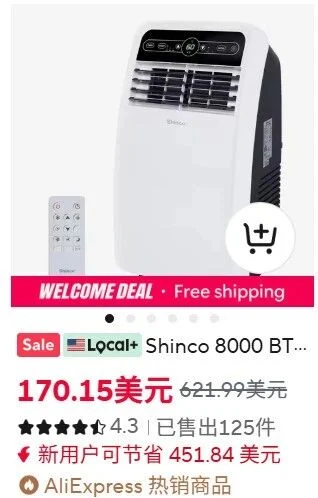
To tackle the biggest hurdle — difficult installation, Chinese manufacturers launched portable split air conditioners. No wall drilling or professional fitting is required; users can plug and play. Outdoor units can be placed on balconies or windowsills, and indoor units are movable for flexible placement. Consumers can complete setup independently.
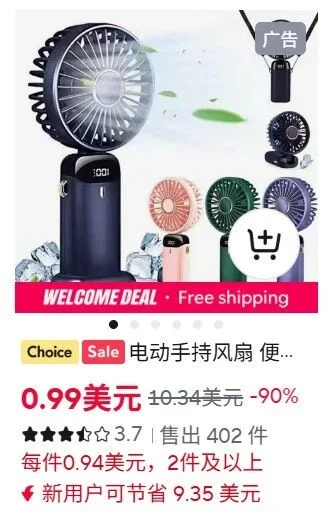
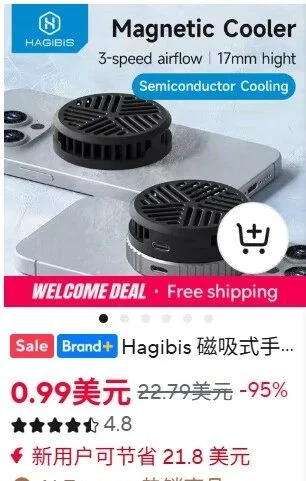
Beyond portable air conditioners, a wide range of Chinese cooling gadgets are seeing explosive sales across Europe.
AliExpress statistics show portable air conditioners, ice makers, electric fans and other cooling products have boomed in Europe since June. Year-on-year ice maker sales in the UK increased tenfold; weekly sales of cooling appliances in Germany and France rose over three times month-on-month.
Air conditioners, sun umbrellas, handheld fans and ice makers.
This summer, “cooling solutions” have become the strongest selling point for Made-in-China goods in Europe.
On the surface, the Europe-wide air conditioner buying spree stems from accidental demand triggered by extreme heat. Fundamentally, it serves as comprehensive validation of the global competitiveness of China’s air conditioning industry.
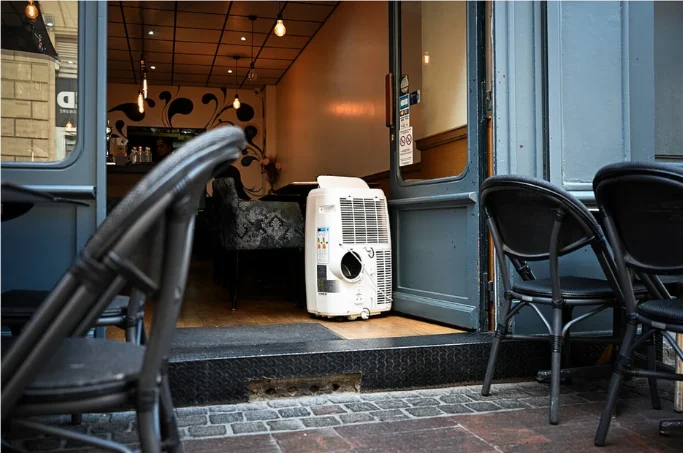
Image source: Internet
Nevertheless, businesses should stay rational amid the market boom.
Profits driven by extreme weather cannot last. Once temperatures drop in subsequent years, the industry will face risks of piled-up channel inventory and shrinking orders. The EU maintains strict legislation on green low-carbon standards and energy labels, creating high compliance barriers.
Yet an irreversible trend has emerged: Europe’s air conditioning market is shifting from replacement demand to explosive new demand. In the coming years, annual air conditioner demand across Europe will exceed 10 million units, while local production capacity stands at only 3.2 million units, leaving a supply shortfall of 6.8 million units.
This represents market demand spanning tens of millions of units.
Heatwaves will eventually fade, but residential buildings and end consumers remain. Winners will transform short-lived hot-selling products into sustainable brand reputation to firmly capture market share.
From production lines to living rooms across Europe, every Chinese air conditioner travels not just thousands of kilometres, but also relies on a complete, efficient international logistics network. When strong product capabilities are matched with reliable logistics support, Made-in-China gains genuine global competitiveness.
If your business covers Europe, Eastern Europe or Central Asia this summer, feel free to connect. One phone call could help Meest dedicated lines help you fully capitalise on this cooling product export opportunity.