Shipping Batteries to Ukraine — What’s the Real Difficulty?
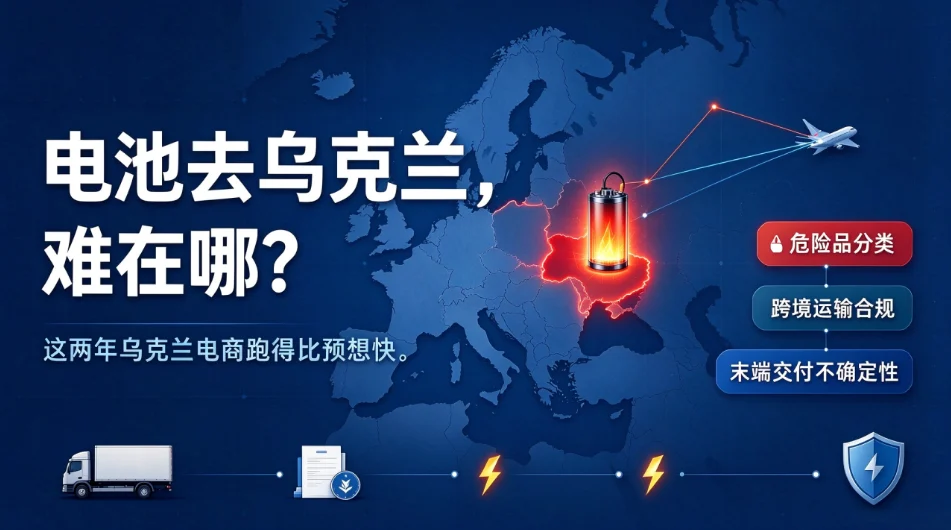
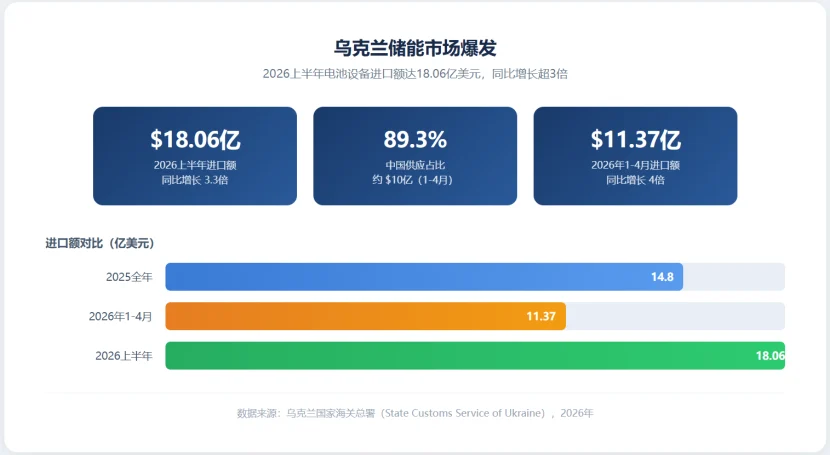
3C accessories, outdoor power stations, portable energy storage… demand for battery-powered products keeps climbing in the local market. Chinese sellers are noticing it too — buyers ask more and more often, and whether it’s phone accessories, Bluetooth earphones, power tools or camping power supplies, batteries are almost always involved.
In international transport, batteries count as sensitive cargo, with additional requirements by air and by road. Conventional channels usually offer only two options: refuse outright, or take the booking reluctantly, add a surcharge at the last minute, and still leave clearance uncertain. Lead time is the bigger problem — once battery shipments get stuck at the border or in a transit warehouse, the rhythm of an entire batch of orders is thrown off.
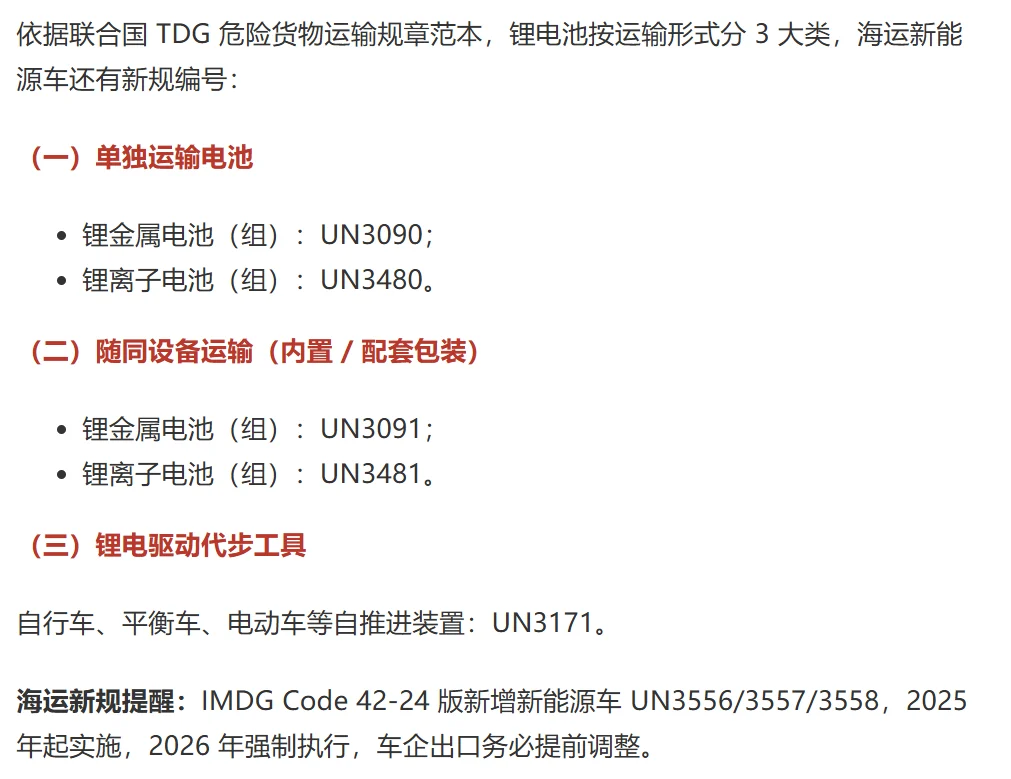
Image source: Maoqitong
So the real difficulty with batteries isn’t whether to accept them — it’s whether they can be delivered reliably once accepted. Compliance documents, customs clearance, last-mile delivery: if any one link is weak, the cargo stops halfway.
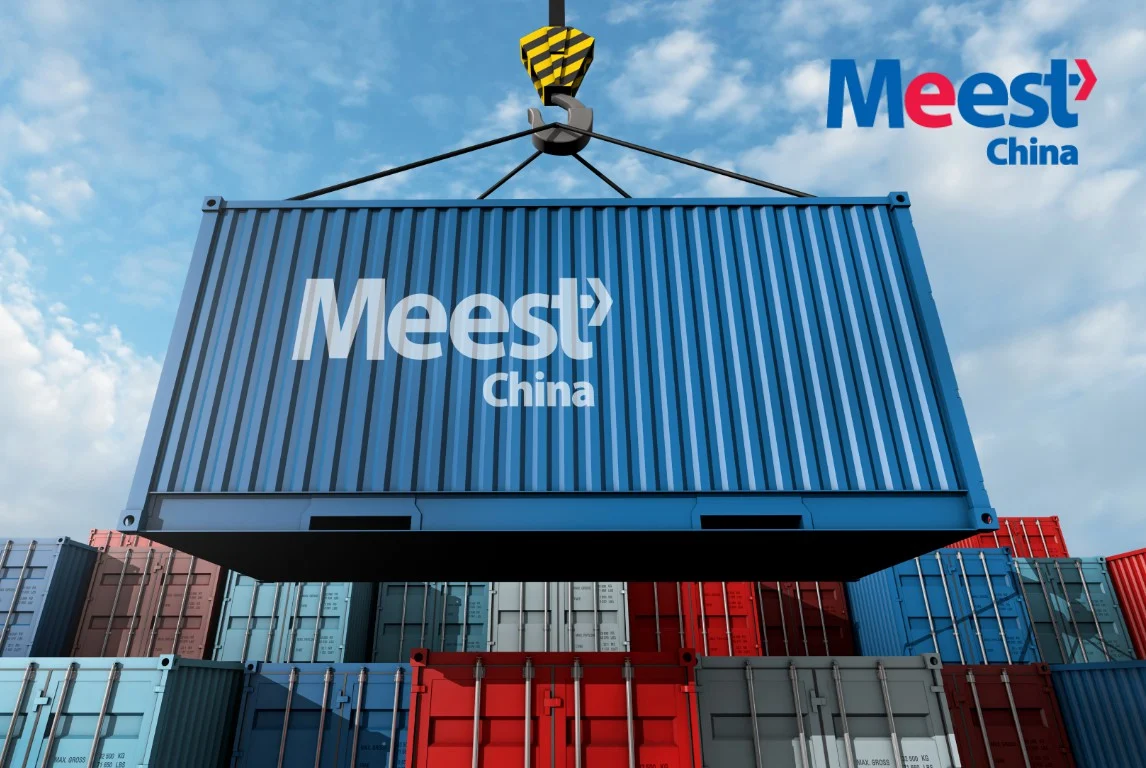
Meest China’s dedicated China–Ukraine lane has always treated batteries as a normal, shippable category. Not “finding a way to get them through,” but going by the book:
UN38.3 test report
Eight safety tests (temperature, vibration, short circuit, impact) proving the battery will not catch fire or explode — the basic passport for all lithium battery transport. Without this document, any legitimate forwarder will refuse the shipment.
SDS (Safety Data Sheet)
Bilingual Chinese–English, stating battery composition, hazard class and emergency response procedures. Required for both export declaration and Ukrainian customs clearance.
Cargo transport conditions appraisal report
Confirms that the goods are compliant dangerous goods, not prohibited items. High-capacity energy storage batteries also require a dangerous goods packaging certificate.
Packaging
Lithium batteries must meet Packaging Group II standards: individual cells insulated and isolated, terminals protected against short circuits; outer packaging sturdy and impact-resistant; loose cells must never be mixed and stacked together; the outer box must carry the Class 9 dangerous goods label and the lithium battery handling mark. Many sellers focus only on documents and overlook packaging.
So for batteries, the real difficulty is not “can it ship” — it’s whether the shipment can clear customs and be delivered on schedule, end to end, without being held at a warehouse or seized.
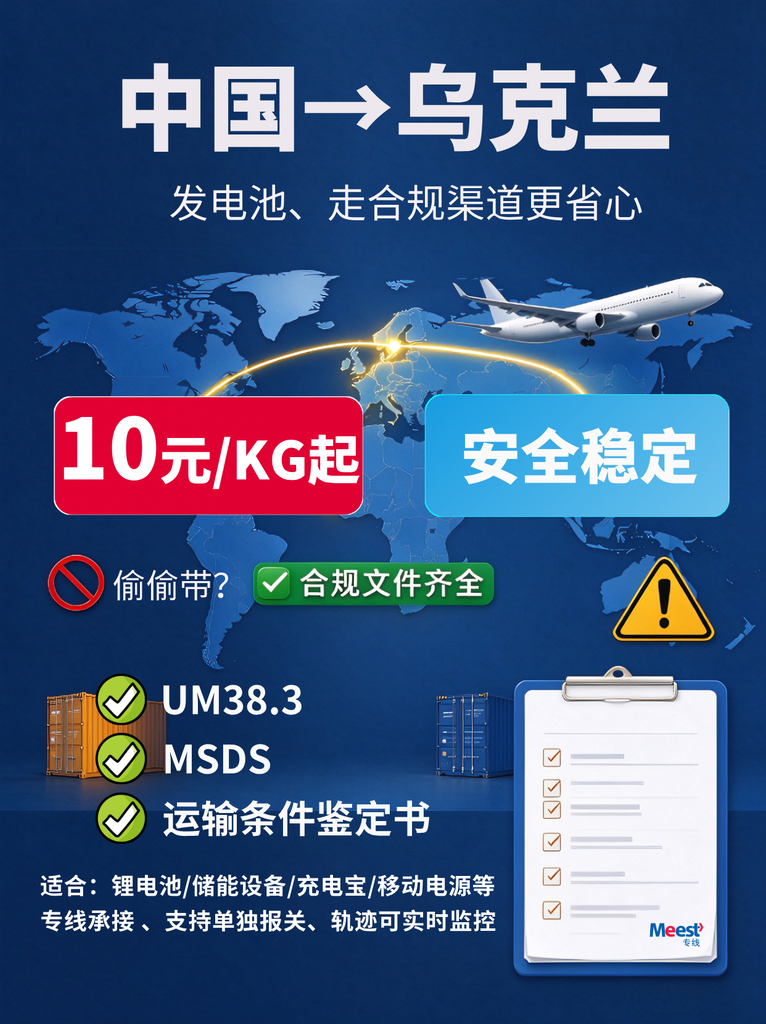
And for first-time battery shippers, the worry usually comes down to two things: not knowing how to prepare the documents, and whether the goods will be seized on arrival.
On both counts, your account manager will send you the document checklist in advance and go through it item by item by category. Clearance follows a defined process too — no guessing in the dark. Prepare by category, and clear through Meest’s compliant customs channel.