The “Dual-Core Engine” of Cross-Border E-Commerce is Being IgnitedCentral Asia | Kazakhstan + Uzbekistan
At a time when the European and American markets are fiercely competitive and the Southeast Asian market is in a white-hot competition, there is an almost overlooked region that is rising at an astonishing speed.
It is neither in Africa nor South America, but two shining stars lying in the heart of the “Belt and Road” initiative: Kazakhstan and Uzbekistan.
In 2026, with the acceleration of regional economic integration and the strong promotion of the digital economy by local governments, Kazakhstan and Uzbekistan are experiencing a profound consumption transformation.
I. Kazakhstan: High Penetration Rate and Cross-Border Competition as a “Double-Edged Sword”
As the most economically developed country in Central Asia, Kazakhstan’s e-commerce market has entered a period of rapid growth, but it has also ushered in fierce competition from international giants.
- Consumption Habits: One in Three People Shops OnlineData shows that Kazakhstan’s internet penetration rate is as high as 95.6%, which provides fertile ground for the development of e-commerce. At present, more than 30% (32.1%) of Kazakh citizens have formed the habit of online shopping.Best-Selling Categories:
- Fashion Reigns Supreme: 71.3% of online shoppers purchase clothing, footwear and sports goods online.
- Necessities: Food (45.2%) and household items (33.2%) also account for a huge market share.
- The Biggest Variable: Temu’s “Dimension Reduction Strike”In 2026, the keyword for the Kazakh market is “competition”. Chinese e-commerce platforms represented by Temu are expanding rapidly in the country, seizing a large market share with their extreme cost performance. According to local data, affected by this, the demand for local clothing brands dropped by 15%-20% last year.Trend Insight: For Chinese sellers, Kazakhstan is not only a sales market, but also a good place to quickly clear inventory or expand sales volume through low-price strategies. However, this also indicates the start of a price war. Relying solely on low prices is unsustainable; building brand barriers or deeply cultivating the supply chain is the way out.
- Regional Integration: The Central Asian “Free Shipping Zone” is Taking ShapeIt is worth noting that Kazakhstan is actively opening up e-commerce logistics channels with neighboring countries. It is expected that in the near future, Kazakh goods will appear on Uzbek e-commerce platforms, and vice versa. “Next-day delivery” in Central Asia may become a reality.
II. Uzbekistan: Policy-Driven “Rocket-Style” Growth
If Kazakhstan is moving forward steadily, then Uzbekistan is experiencing a “rocket-style” boom. This country with a population of 35 million is forcefully pushing its economy onto the fast track of digitalization through presidential decrees and national strategies.
- Scale: 20-Fold Growth in Eight YearsIn recent years, the scale of Uzbekistan’s e-commerce market has grown 20 times, reaching 1.3 billion US dollars. At present, e-commerce accounts for 4%-4.6% of the total retail trade volume. Although the base is small, the government’s goal is to increase it to 9%-11% in the next few years.
- Core Policy: “Bonded Warehouse” and Tax ExperimentIn 2026, the President of Uzbekistan signed a new resolution on the development of e-commerce. To increase the scale of e-commerce to 30 trillion soums and attract 300 million US dollars of investment between 2026 and 2030, the government has launched a landmark “bonded warehouse” mechanism.
- Payment and Logistics: Pain Points are Being Solved Rapidly
- Payment Habits: Unlike other regions in Central Asia, Uzbek consumers have a high acceptance of digital wallets (such as Click and Payme), with mobile transactions accounting for more than 55%. Buy-now-pay-later services are also rapidly gaining popularity among young people.
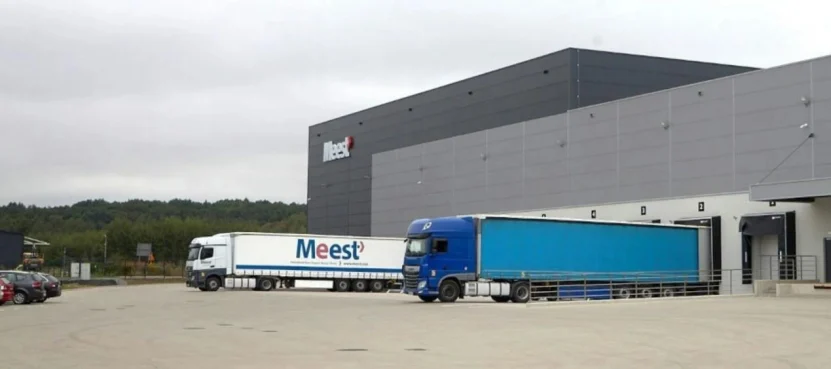
- Infrastructure Shortcomings: At present, only 34% of the country’s warehouses meet modern Grade A standards, and 72% of them are concentrated in the Tashkent region. To solve this problem, the government plans to build 2.5 million square meters of modern warehousing space in the next five years.
Chinese Players Have Already Taken Action
Chinese cross-border e-commerce platforms with a keen sense of smell have already made their layout.
Platforms such as AliExpress, Temu and Taobao are accelerating their penetration, leveraging China’s supply chain advantages to quickly gain traction in the two markets. Chinese goods already have price competitiveness, and coupled with the continuous improvement of the recognition and acceptance of “Made in China” among consumers in the two countries, a first-mover advantage has been formed.
For small and medium-sized sellers, taking advantage of the platform’s momentum to enter the market is still the most pragmatic path at present.
Kazakhstan is today, Uzbekistan is tomorrow.
Kazakhstan has a large scale and stable growth rate, suitable for sellers who want to quickly expand sales volume and build brand awareness; Uzbekistan has an amazing growth rate and huge potential, suitable for players who have the patience to make long-term layouts.