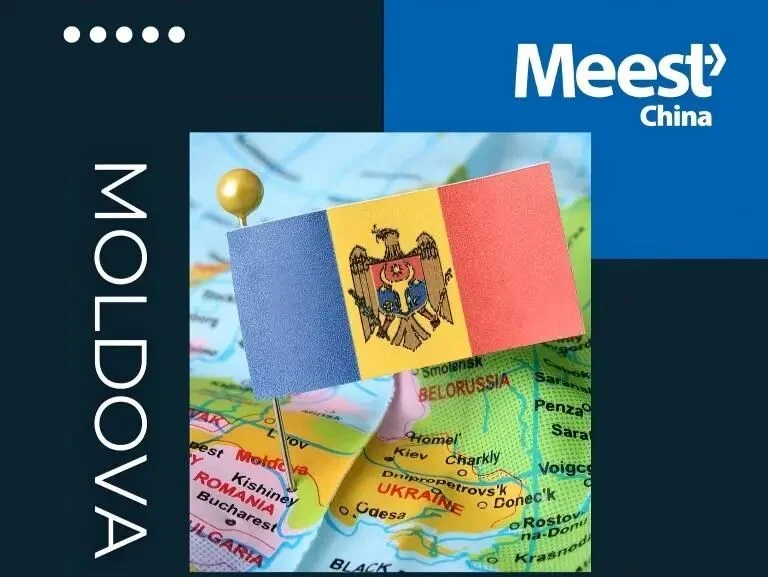
In recent years, trade between China and Eastern European regions has become increasingly close. Moldova, as an emerging market, is attracting more and more Chinese enterprises to make layouts. According to China’s customs export data in 2025, China’s export trade volume to Moldova has exceeded 253 million US dollars, among which three categories of industrial products – vehicles and parts, machinery, and electrical equipment – account for more than 75%, showing strong export momentum of the industry.
An Insight into Export Structure: Which Products Are Most Popular?
In terms of commodity categories, the top five export categories are as follows:
Vehicles and parts: trade volume of $82,788,034, accounting for 32.7%
Machinery: trade volume of $63,773,917, accounting for 25.2%
Electrical equipment: trade volume of $46,608,891, accounting for 18.4%
Precision instruments: trade volume of $9,854,419, accounting for 3.9%
Furniture and lamps: trade volume of $9,589,042, accounting for 3.8%
Leading Export Provinces: Who Is in the Lead?
Zhejiang, Guangdong, Shandong, Jiangsu, and Henan provinces together contribute more than 70% of the export volume, among which:
Zhejiang Province has a balanced structure with “three pillars” of vehicles, electrical machinery, and machinery;
Guangdong Province has obvious advantages in electrical equipment and outstanding performance in precision instruments;
Shandong Province has a solid heavy industry foundation, with equal emphasis on machinery and steel products;
Jiangsu Province takes vehicle parts as the core and has a complete industrial supporting system;
Vehicle parts account for more than half of Henan Province’s exports, with a high degree of industrial concentration.
Despite the rapid growth in trade, enterprises still have many concerns about logistics:
How to ensure the transportation safety of high-value goods? Industrial equipment is large in size and heavy in weight, so is sea transportation stable? The customs declaration and clearance processes are complex, how to handle them efficiently? The in-transit status of goods is not transparent, when can they be delivered?
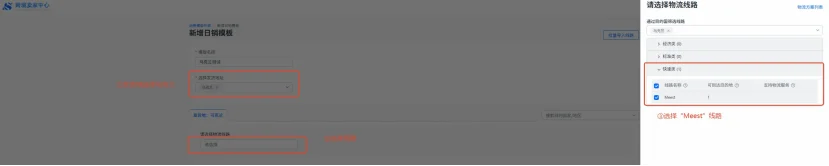
Four major problems, one solution! Meest launches a new full-link logistics solution for Moldova!
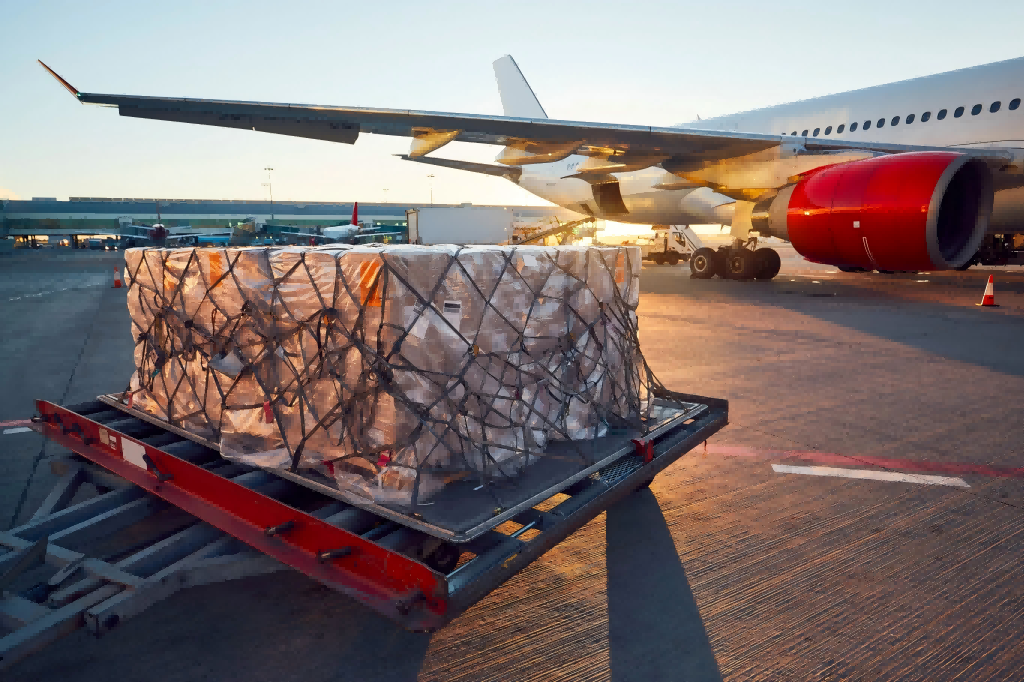
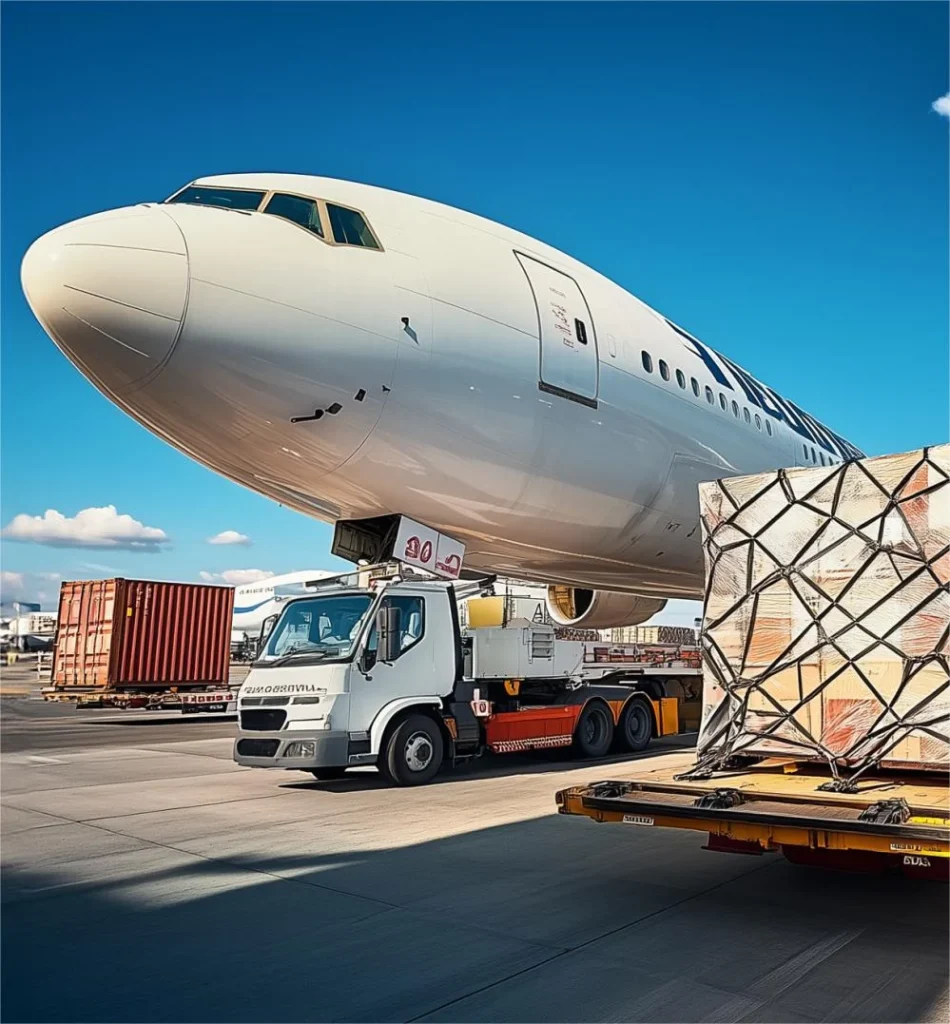
Moldova’s air and sea dual-channel dedicated lines provide customized logistics services for high-value industrial products, bulk equipment, e-commerce goods, etc.:
✅ Air freight (14–18 days)
Suitable for: samples, urgent items, high-value parts, electronic products
Flight frequency: 1 flight per week
Full tracking + delivery SMS notification
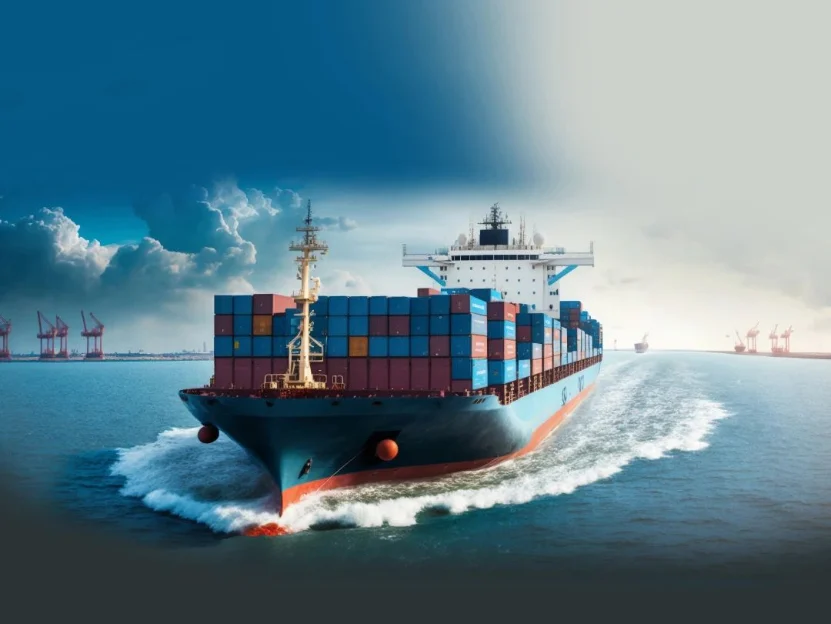
✅ Sea freight (60–65 days)
Suitable for: mechanical equipment, bulk commodities, vehicle accessories, furniture and lamps
Frequency: 3 times a week (departures on Mondays/Wednesdays/Fridays)
Economical and stable + full visibility
✅ Service highlights:
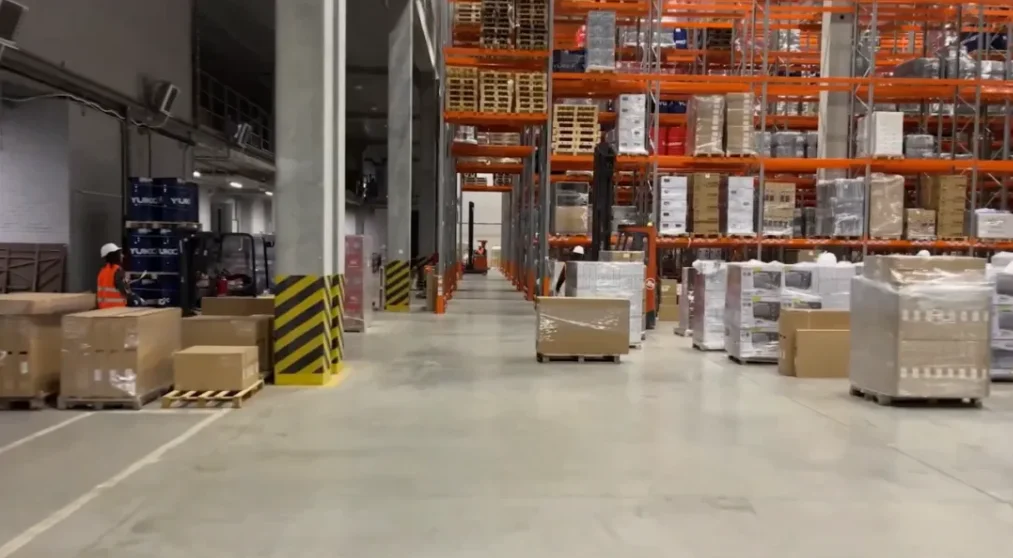
Professional customs declaration and clearance: familiar with China-Europe customs policies, efficient customs clearance
Full-process temperature control and insurance: safety guarantee for high-value goods
Chinese-English customer service support: one-on-one logistics consultant service
Systematic tracking: real-time status update from collection to delivery
Cooperation suggestions:
If you are engaged in the export of vehicle parts, mechanical equipment, electrical equipment, precision instruments and other products to Moldova, whether it is general trade or processing trade, we can provide you with:
Transportation plans matching the characteristics of the goods
Competitive freight rates and timeliness
Stable shipping space and shipment plans
Seize the opportunity of Moldova’s market growth, starting with choosing a reliable logistics channel. We are willing to be your logistics partner in expanding the Eastern European market, helping your goods arrive at their destination safely, on time and traceably.
Professional logistics connects China-Moldova business opportunities.
Welcome to inquire, and we will customize an overseas shipping plan for you.